
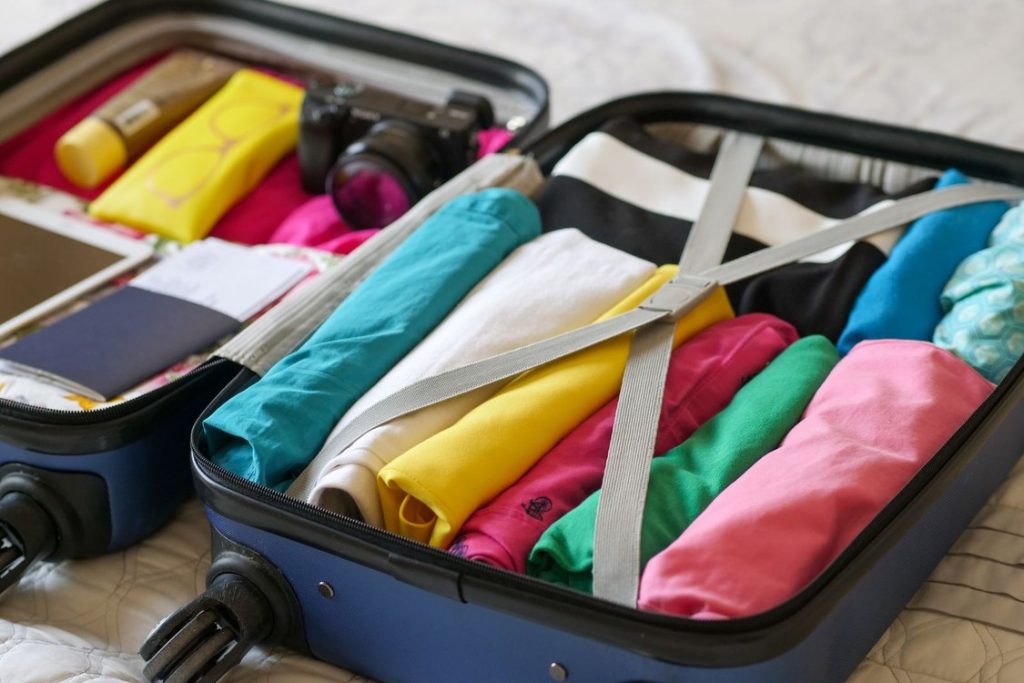
There is a moment in most trips when your luggage stops being something you own and starts being something that owns you. Usually it happens on a staircase. You are dragging a heavy case up to a platform, or down into a hotel with no lift, wondering why you brought a sweater for a cold snap that never came and a second pair of dress shoes for a dinner that never happened. Learning how to pack light is mostly learning how to stop packing for imaginary versions of your trip. The good news is that how to pack light is a method, not a talent, and it can be learned in a single trip.
The carry-on only method is simple to state: everything you take fits in one cabin bag and one small personal item, whether the trip is five days or five weeks. This guide explains how to pack light in practice, from the bag itself to the laundry routine that makes a tiny wardrobe last a whole journey. It is how to pack light for a trip of any length, because the method scales by washing, not by adding.
Key Points
- Everything fits in one cabin bag plus a personal item, whatever the trip length. Five days and five weeks take the same bag.
- Pack for one week and wash as you go instead of packing for the whole trip. Laundry, not more luggage, is what makes a tiny wardrobe last.
- Wear your heaviest shoes and layers on the plane. Your body is not weighed at the gate.
- Liquids must be 100 ml containers in one clear bag. The limit is on the container size, not on how much is left in it.
- Check your own airline’s size and weight limits before packing, they vary a lot. The same bag can be legal on one flight and chargeable on the next.
In This Guide
- Why Traveling Light Wins
- Start With the Bag, and Check Your Airline’s Numbers
- Pack for One Week, Whatever the Trip Length
- Wear the Heavy Stuff on the Plane
- Toiletries and the Liquids Rule
- The Laundry Math That Makes It Work
- How to Pack a Carry On So It All Fits
- What to Leave Behind
- A Simple Carry-On Only Packing List
- Frequently Asked Questions
- The Short Version
Why Traveling Light Wins
Start with money. A checked bag is a fee on many fares, a wait at the carousel on arrival, and a small but real risk of your clothes spending the holiday somewhere else. A carry-on leaves the airport with you. But the deeper reason frequent travelers pack light for travel is mobility. Trains, buses and ferries all assume you can lift your own luggage onto a rack. Old town hotels hide up lanes and staircases where cars cannot go. A light bag turns each of those from an ordeal into a non-event.
There is a flexibility bonus too. If your flight is delayed or cancelled and an earlier departure opens up, a traveler with everything in hand can take it. A traveler waiting on a checked bag cannot. Rick Steves tells the story of hopping an earlier flight to Bergen and gaining an evening in Norway, purely because his bag was on his shoulder. That is the lifestyle part of how to pack light: you are not just saving fees, you are buying options. It is the strongest reason to learn how to pack light at all.
Start With the Bag, and Check Your Airline’s Numbers
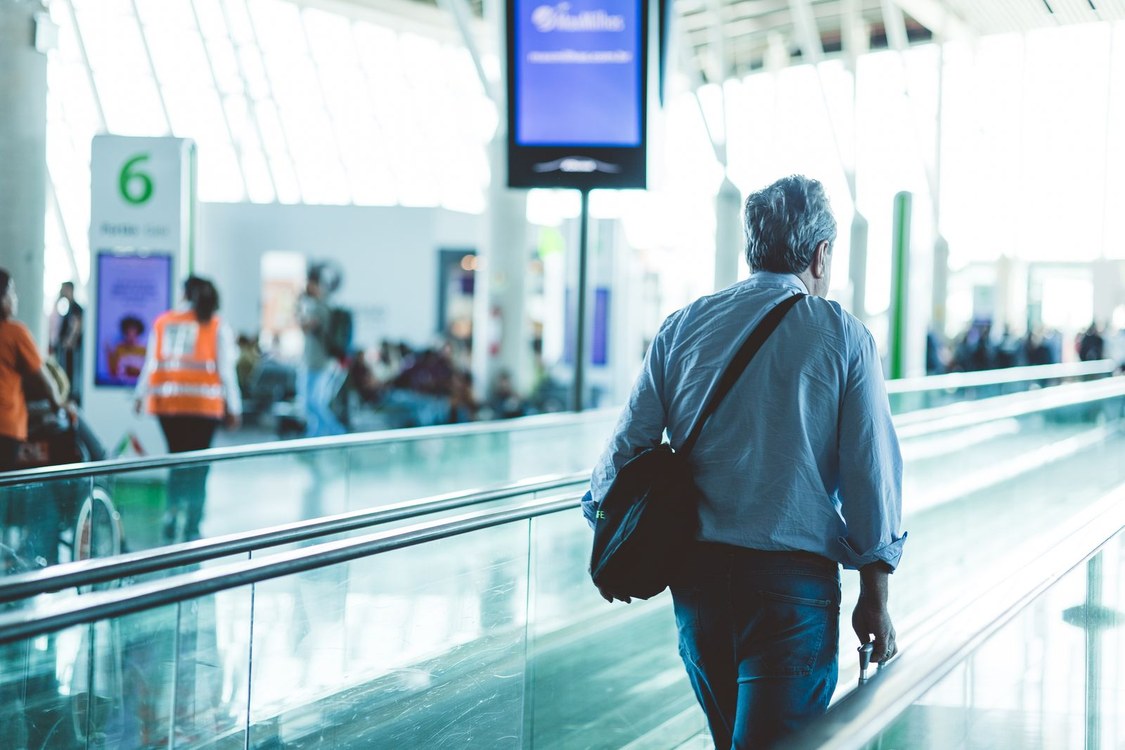
The bag sets the ceiling for everything else, so it comes first in any honest account of how to pack light. There is no single world standard for cabin baggage, and that surprises people. As one example, Delta Air Lines allows one carry-on plus one personal item, with the carry-on no larger than 22 x 14 x 9 inches (56 x 35 x 23 cm), a combined total of 45 linear inches, wheels and handles included. Delta’s page publishes no weight limit, but many other carriers, especially international and low-cost airlines, set smaller sizes around 55 x 40 x 20 cm and weight caps commonly in the 7 to 10 kg range. The same bag can be legal on one flight and chargeable on the next.
So treat those numbers as examples, not as rules that travel with you. Before any trip, open your own airline’s baggage page, check the size and weight for your exact fare, and measure your bag at home including the wheels. Get those numbers right and how to pack light becomes a packing problem, not an airport gamble. A soft-sided bag helps twice over: it usually weighs less than a hard shell before you put anything in it, and it can squeeze into a tight overhead bin or sizer by a centimetre or two. Then weigh the packed result. Aiming for roughly 9 kg (about 20 pounds) all-in is a workable target that Steves recommends, and it keeps the bag liftable over your head without help.
A small day bag or personal item completes the system. It holds your documents, medication, valuables and one change of clothes, and it is where you live during the day while the main bag stays at the hotel.
Pack for One Week, Whatever the Trip Length
Here is the mental shift the whole method stands on, and the single most useful idea in how to pack light: you do not pack for the length of the trip, you pack for one week and repeat. Five days and five weeks take the same bag, because nobody needs twenty outfits when laundry exists. Steves’ own list, refined over decades of European travel, is a useful baseline for a carry on only packing list:
- 5 shirts, a mix of short and long sleeves that roll up
- 2 pairs of pants or skirts, one of them worn on the plane
- 5 sets of underwear and socks, in fabrics that dry fast
- 1 sweater or warm layer, plus a light waterproof jacket with a hood
- 1 pair of comfortable, broken-in walking shoes, worn to travel
- Sleepwear that can double as loungewear
That is the entire wardrobe. Notice what makes it work: it is a travel capsule wardrobe, not a random scoop from your closet. Every top must go with every bottom, so pick one family of colours, often dark neutrals with one brighter accent, and let a scarf or a tie change the look of an outfit instead of adding another outfit. Most of how to pack light is decided in this one choice, days before you go anywhere near an airport. Dark colours also forgive the small stains that travel hands out.
Fabric does the quiet work. Cotton is heavy, slow to dry and bulky for its warmth. Synthetic blends and merino wool dry overnight after a sink wash, resist odour, and layer well. Jeans are the classic trap: comfortable, but the heaviest and slowest-drying thing most people own. If you cannot leave them behind, wear them on the plane rather than packing them.
Wear the Heavy Stuff on the Plane
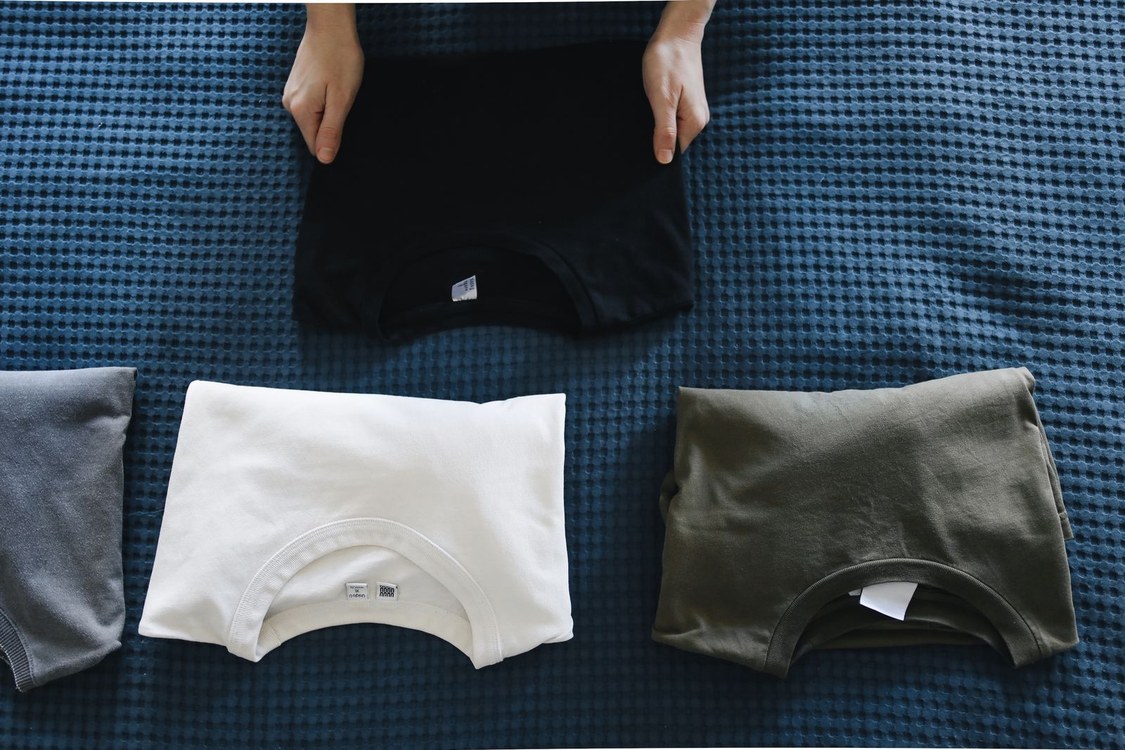
The oldest trick in one bag travel is also the most effective: your body is not weighed at the gate. Wear your heaviest shoes, your jeans, your sweater and your jacket on travel day, and the bag suddenly has room for everything else. Steves suggests exactly this for winter travel, wearing the heaviest, warmest shoes on the plane, and it applies in every season. A jacket pocket also swallows a phone charger, a paperback and the snacks that would otherwise need bag space.
Of everything in this guide, it is the part of how to pack light you can use on your very next flight, with the wardrobe you already own. This is not cheating the system. Airlines limit the bag, not the passenger, and a coat is something you are allowed to wear. It is simply the most practical of all pack light tips: the bulkiest items you own should spend the flight on you, not competing for litres in the overhead bin.
Toiletries and the Liquids Rule
Toiletries are where carry-on plans often die, because security rules are strict and worldwide habits differ. The widely used standard, which Delta’s baggage page repeats, is that liquids, gels, aerosols and pastes in the cabin must be in containers of 3.4 ounces (100 ml) or less, and all of them must fit inside one quart-size (roughly one litre) clear zip-top bag, one bag per passenger. The limit is on the container size, not on how much is left in it, so a half-empty 200 ml bottle still fails. Some airports and countries are trialling new scanners that relax this, but you cannot count on meeting one, so pack to the rule that exists. Liquids are the one part of how to pack light governed by regulation rather than taste, so they get planned first, not last.
Three habits make the rule painless. First, decant what you love into small bottles instead of carrying full-size products. Second, swap liquids for solids where you can: a shampoo bar, solid deodorant and toothpaste tablets are not liquids at all and free up most of the bag. Third, remember that basics exist everywhere. Steves’ advice is to carry a slim kit of essentials and look forward to running out of toothpaste, because buying a replacement in a local shop is a small, enjoyable errand rather than a disaster. Medication is the exception to keep with you properly: keep it in your personal item, in its original packaging where you can, and never let it ride in a bag that might be gate-checked.
The Laundry Math That Makes It Work
Sceptics always ask the same question about how to travel carry on only: what do you do in week two? The answer is laundry, and the math is friendly. A small wardrobe washed regularly beats a huge wardrobe washed never, because the huge one just means carrying two weeks of dirty clothes home.
You have three options, and most light packers mix them. Hand wash the fast-drying basics, socks, underwear and a shirt, in the hotel sink every couple of nights; wrung out well and hung over the tub or a travel clothesline, synthetics and merino are dry by morning. Use a launderette or a wash-and-fold service once a week for everything else; in most cities it costs less than one checked bag fee and returns your clothes clean and folded. Or pay the hotel, convenient but usually the priciest route. Pack a few travel detergent packets or a small bottle of multipurpose soap, and the whole system runs itself.
Once laundry is in the plan, a five-day wardrobe is really an unlimited wardrobe, which is why the one-week rule is the engine of minimalist packing tips everywhere. You are not wearing less. You are washing more, and carrying far less while you do it. Master the laundry habit and you have mastered the half of how to pack light that beginners always miss.
How to Pack a Carry On So It All Fits
Technique finishes what selection starts, and these carry on packing tips are the part most people skip. If choosing well is the first half of how to pack light, technique is the second. Roll soft clothes tightly instead of folding them; rolling saves space and keeps wrinkles down. Put the heaviest items, shoes and the toiletries kit, at the bottom of the bag near the wheels if it has them, so it stands and rolls without fighting you. Fill the insides of shoes with socks and chargers. Wear or carry anything dense and irregular, like a camera, in the personal item. Seal anything that could leak in a plastic bag, because cabin pressure changes make bottles weep.
Then do the test experienced packers swear by: close the bag, pick it up, and walk around the block with it, up and down a flight of stairs if you can. If you are struggling before the trip has started, something in there has not earned its place. That walk is the last and best item on any travel light checklist.
What to Leave Behind
Every light bag is defined by its exclusions. Pack for the best scenario, not the worst, as Steves puts it: if an unlikely need actually appears, you can buy the thing locally, usually cheaply. Leave behind the just-in-case outfit, the third pair of shoes, the full-size hairdryer that most hotels provide anyway, the physical library (your phone already holds more books than you can read), and any item whose only job is to calm a worry you cannot quite name.
Ask one question of each item: will I use this most days, or am I packing a fear? A rain jacket passes. A second formal outfit for a hypothetical invitation does not. Every experienced traveller builds a personal list of exclusions, and building yours is how to pack light in the long run. This is the discipline at the heart of how to pack light, and it gets easier every trip, because you come home knowing exactly which things you never touched.
A Simple Carry-On Only Packing List
For a quick packing light checklist before any trip: cabin bag within your airline’s limits; personal item for documents, medication and valuables; five tops and two bottoms in matching colours; five sets of quick-dry underwear and socks; one warm layer and one waterproof layer; walking shoes on your feet; toiletries in 100 ml containers inside one clear bag; chargers and plug adapters for your destination; a small first aid kit; detergent packets and a bag for dirty laundry; and one guilty pleasure, headphones or a favourite snack, because light does not have to mean joyless. Keep the list with the bag, and how to pack light turns into a routine you repeat instead of a puzzle you solve from scratch every trip.
Frequently Asked Questions
Can you really do a two-week trip with only a carry-on?
Yes, and the trip length barely matters. Pack for one week, wear your bulkiest items on the plane, and wash clothes as you go, in the sink for basics and at a launderette once a week. Two weeks and two months take the same bag, which is the core idea behind how to pack light.
What size carry-on bag should I buy?
Buy for the strictest airline you fly often, not the most generous. Many large US airlines cap the bag at 22 x 14 x 9 inches, while many international and low-cost carriers are closer to 55 x 40 x 20 cm with a weight limit of 7 to 10 kg. It is step zero of how to pack light: nothing else in this guide works if the bag itself gets rejected at the gate. Check your airline’s baggage page before buying, and prefer a soft-sided bag, which weighs less and squeezes into bins more easily.
How do I pack liquids in a carry-on?
Follow the 3.4 ounce rule: every liquid, gel or paste in a container of 100 ml (3.4 oz) or less, all of them inside one clear quart-size zip-top bag. Decant favourites into small bottles, and switch to solids like shampoo bars and toothpaste tablets to save space. Keep medication separate, accessible and in your personal item. Get the liquids right and the rest of how to pack light is only clothing decisions.
What about souvenirs and shopping on the way home?
Pack a light fold-up tote that takes almost no space. Use it as your laundry bag during the trip and as an extra bag for purchases on the last day. If you truly run out of room, checking one bag on the flight home only is always an option, and it costs far less than checking bags in both directions. Souvenirs are the one place where how to pack light is allowed to bend a little, on the last day only.
Is carry-on only worth it for a short weekend trip?
That is where it shines most. For two or three days you may not even need the full one-week wardrobe, and skipping the check-in desk and the baggage carousel can save close to an hour across the trip. A weekend is the perfect low-risk place to practise how to pack light before a longer journey.
The Short Version
How to pack light comes down to four decisions. Choose a bag your airline accepts and weigh it honestly. Build a week of clothes that all match, in fabrics that dry overnight. Wear the heavy items and follow the 100 ml rule for liquids. Then plan to wash rather than to carry. Do those four things and the size of your trip stops mattering, because the bag stays the same. That is the whole of how to pack light, and none of it requires buying anything new.
For more guides like this one, browse our Travel section, and you can find everything we publish on the Blog page.

Written by Fatima Noor
Fatima writes education, lifestyle and how-to guides for Burry Blog readers. Her focus is clear steps and practical detail: the things readers actually need to get something done.